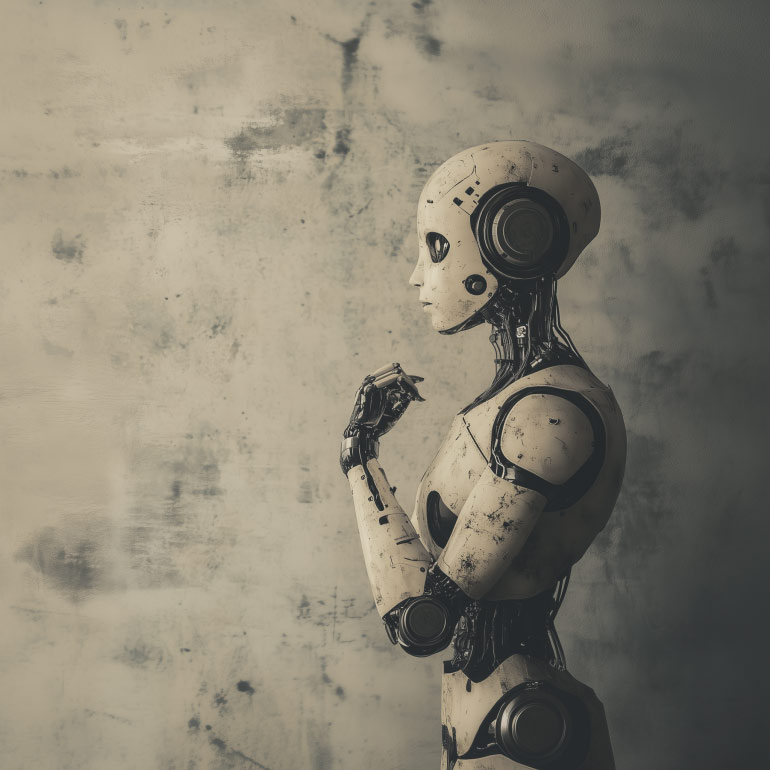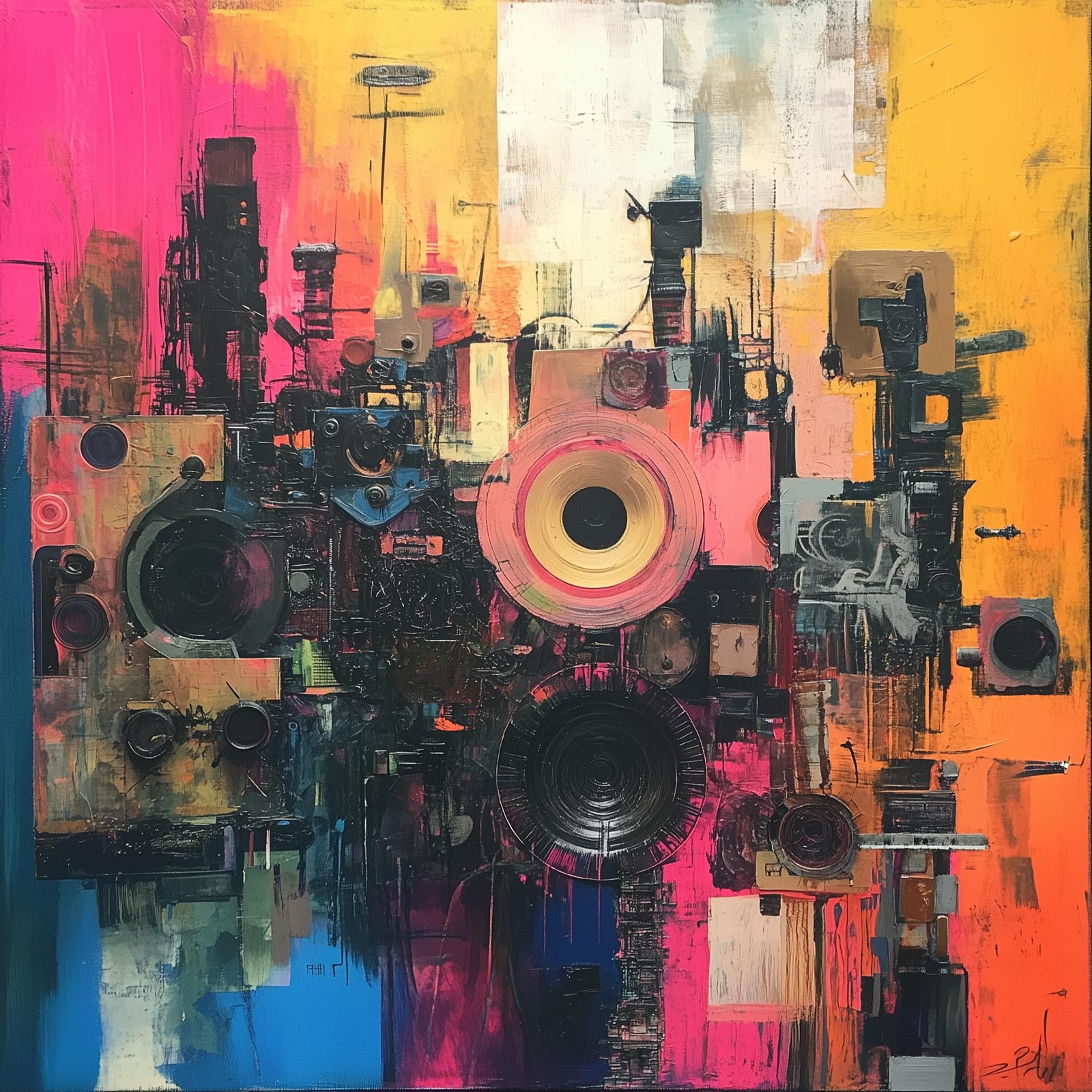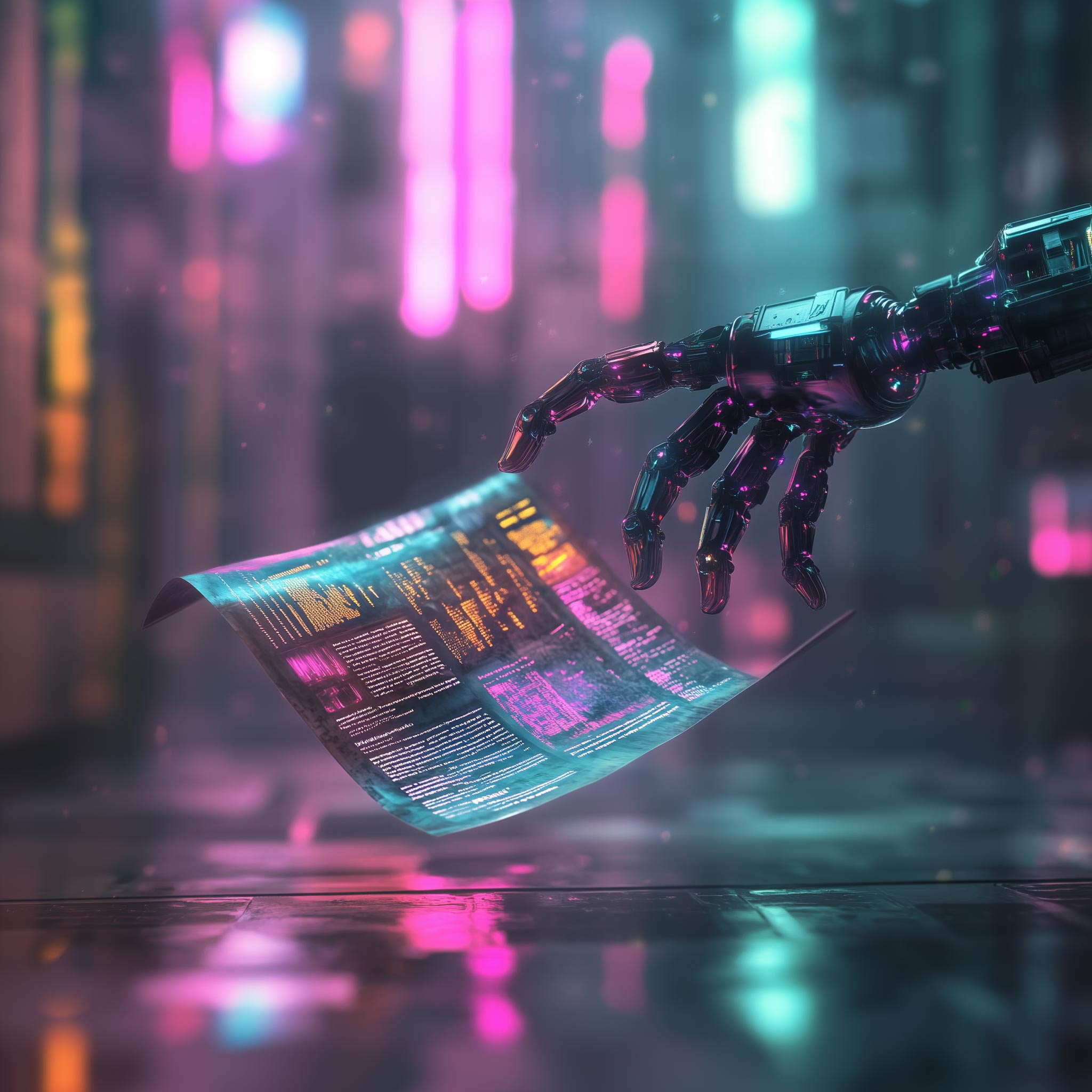
Remember when AI was just a clever chatbot spouting Shakespeare in pirate slang? Fast forward to late 2025, and generative AI has swapped novelty for utility, traded circus tricks for strategic impact, and entered its awkward teenage phase: smart, powerful, but prone to existential dilemmas. Welcome to the generative frontier—where foundational models now wear tailored suits, hold corporate jobs, and occasionally moonlight as surrealist filmmakers.
In this deep dive, we explore the increasingly specialised, high-stakes world of generative AI—spanning Large Language Models (LLMs), AI image generation, and the explosive rise of text-to-video tools. Spoiler alert: the days of “one model to rule them all” are over.
Large Language Models: From Chit-Chat to Cognition
Forget casual banter—today’s LLMs are rolling up their digital sleeves and getting to work. OpenAI’s GPT-5 and Anthropic’s Claude 4.1 Opus aren’t just battling over benchmark points; they’re waging a philosophical war on what intelligence means in a business context.
- GPT-5: Think of it as the scientific generalist. Fast, versatile, and surprisingly cost-effective. It’s the go-to for rapid prototyping, brain-dumping ideas, and generally being a speedy, smart sidekick.
- Claude 4.1 Opus: The slow-and-steady methodologist. Ideal for enterprise-grade coding, legal reasoning, and any scenario where “oops” is not an option. It costs more and takes longer—but it thinks harder.
In short, GPT-5 is your caffeinated intern; Claude is your meticulous legal counsel. Smart orgs are building AI teams—plural—using both. Context is king, and the orchestration layer (hello, AgentKit) is the new battlefield.
The Image Wars Have Ended (Sort of)
If 2024 was the Wild West of image generation, 2025 is more Monopoly board. Three players now dominate the space:
- Midjourney v7: The artsy type. Makes images that belong in galleries, not instruction manuals.
- DALL·E 3: OpenAI’s darling of prompt fidelity. If you say “cat in a bowtie riding a bicycle in Bruges,” it listens.
- Stable Diffusion 3.5+: The geek’s playground. Tweak every parameter, train your own models, and control the chaos.
- Nano Banana: Google’s bold new image model with a deceptively playful name. Think experimental visuals with serious tech muscle—straddling the line between chaos and control, it’s redefining what ‘creative AI’ really means.
The fight’s no longer over who makes prettier pictures—it’s about ecosystems. Integrations, communities, control. And if you want to replace your graphic design team, prepare to be your graphic design team.
Lights, Camera, Algorithm: The AI Video Revolution
Text-to-video tech has gone from experimental doodles to full-blown cinema, thanks to a little something called Sora (by OpenAI). And it’s not alone:
- Runway Gen-3 Alpha is your VFX-savvy filmmaker’s dream.
- Pika 2.1 targets TikTokers with fast tools and clever insertions (yes, that’s a thing).
- Google Veo 3 plugs directly into Google’s data empire, making enterprise integration feel inevitable.
Sora even comes wrapped in a shiny consumer app, because of course it does. The deepfake debate just got real (again), and so did the arms race for attention.
AI Isn’t Taking Your Job—Yet
Despite the panic, Yale’s landmark study says AI hasn’t caused massive job loss. It has, however, supercharged productivity. Think augmentation, not automation. For now.
- Customer service agents using AI reach 6-month performance levels in 2 months.
- Marketers can create hyper-personalised campaigns at scale (Cadbury’s SRK campaign, anyone?).
- Drug discovery timelines have halved. AI now designs molecules. No biggie.
AI isn’t here to replace you. It’s here to make you faster, sharper, and—if you’re paying attention—indispensable.
Strategic Advice (AKA Don’t Be the Dinosaur)
- Build a portfolio of AIs, not just one. Use the right model for the right job.
- Invest in the last mile: it’s not about the model; it’s about solving real problems.
- Reskill your team—AI isn’t just a tool; it’s a teammate.
- Governance matters: copyright, misinformation, bias—if you’re not thinking about them, regulators will do it for you.
TL;DR (Too Long; Didn’t Read.)
2025’s generative AI scene is smart, fragmented, and platform-first. The tools are sharper, the stakes are higher, and the winners will be those who understand it’s not about the flashiest model—it’s about orchestration, integration, and impact.
Just don’t ask your AI to write your entire strategy for you. (Unless it’s GPT-5. Then maybe…)